The toddler years: Big feelings in little bodies
Between the ages of 2 and 3, your child’s emotional world grows rapidly. One moment they’re laughing, the next they’re in tears and that’s completely normal. At this age, children experience big emotions but are still learning how to express them in healthy ways.
As parents, this can be both heartwarming and challenging. The key is not to stop these emotions, but to guide your child through them with patience and understanding.
At Ryan International Pre-Montessori schools, we help toddlers identify, express and manage their feelings, preparing them emotionally for the structured, social environment of preschool.
Understanding big emotions
Big emotions such as frustration, anger, fear, or excitement are a natural part of your child’s growth. Toddlers feel deeply but lack the vocabulary and self-control to communicate clearly, which often results in meltdowns or tantrums
It’s important for parents to remember that these moments are not misbehavior, they’re opportunities to teach emotional regulation. When you respond calmly and consistently, your child learns to feel safe and understood even when overwhelmed.
Why emotional readiness matter before preschool
Starting preschool introduces new experiences: separation from parents, unfamiliar faces and structured routines. For a child who has practiced managing emotions at home, this transition feels easier and less intimidating.
Emotional readiness helps children:
● Adapt to change with confidence.
● Build positive relationships with teachers and peers.
● Resolve conflicts gently.
● Participate more fully in classroom activities.
At Ryan Pre-Montessori, we prioritize emotional education as much as academic readiness because a calm, confident child learns best.

Practical ways to manage big emotions at home
Here are gentle, Montessori-inspired strategies you can use daily to help your toddler manage their emotions:
1. Stay calm, Be their anchor
Your child looks at you to understand how to respond. Staying calm, even during tantrums, helps them feel secure. Taking a deep breath before reacting and speaking softly can decide the cue for future reactions. Calm energy is contagious.
2. Label the feeling
Put words to what your child is feeling: “You’re angry because we have to leave the park.” Naming emotions teaches self-awareness and helps toddlers feel understood.
3. Validate, Don’t dismiss
Avoid phrases like “Stop crying” or “You’re fine.” Instead, validate their emotions: “I know you’re sad. It’s okay to feel that way.” Validation builds trust and emotional resilience.
4. Create a calm corner
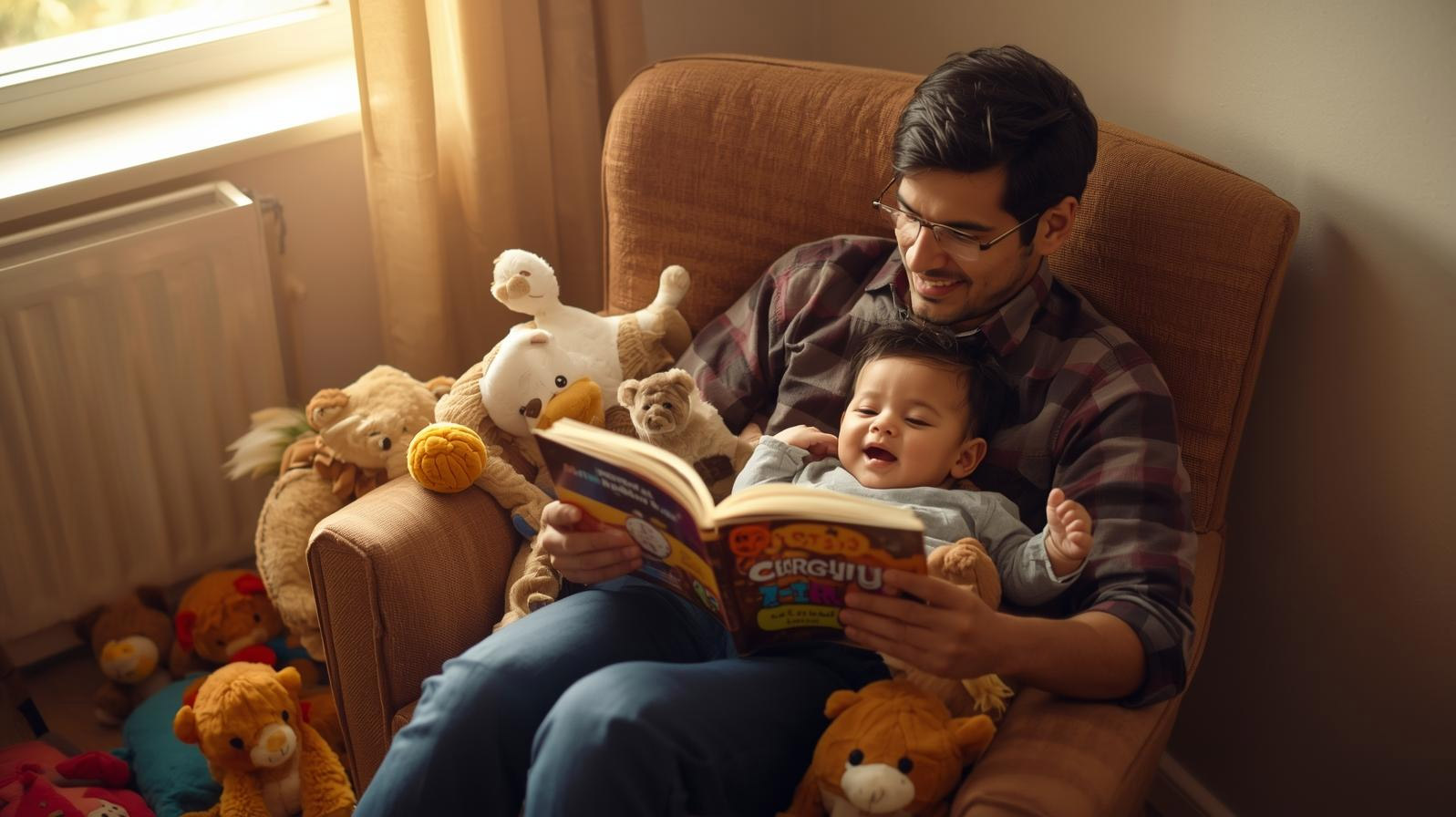
Set up a small space with soft toys, books and calming visuals. Encouraging your child to visit this spot when upset helps them learn self-soothing.
5. Use stories and play
Storybooks, puppets and role-play help children understand feelings. Through storytelling, toddlers can process emotions in a safe, playful way.
6. Maintain consistent routines
Predictable schedules reduce anxiety. When children know what’s coming next, they feel in control minimizing emotional overwhelm.
The Montessori approach to emotional development
In Montessori education, emotional learning is woven into every part of the day. Children are given the freedom to make choices, which fosters independence and self-control.
At Ryan Pre-Montessori, teachers model empathy, kindness and calm communication. When a child feels frustrated, teachers guide them to express feelings using words or actions rather than punishment. Over time, children learn that emotions are not something to fear, but to understand.
This approach builds emotionally intelligent learners who handle challenges with patience and empathy qualities that last well beyond the preschool years.
How Ryan International Pre-Montessori nurtures emotional balance
Our Pre-Montessori classrooms emphasize emotional safety as the foundation for learning. Teachers use storytelling, breathing exercises and collaborative games to help children understand and manage emotions gently.
We also support parents with regular updates and strategies to continue emotional learning at home. This consistency between school and family creates confident, emotionally balanced children ready to embrace preschool with joy and curiosity.

Parent Tips
● Be patient: Emotional regulation takes practice.
● Offer hugs, not lectures: Physical reassurance works better than long explanations.
● Use consistent routines: Predictability builds a sense of control.
● Praise emotional growth: Acknowledge calm behavior, “I’m proud of how you waited patiently”.
● Model empathy: Show kindness in your actions; children learn best by example.