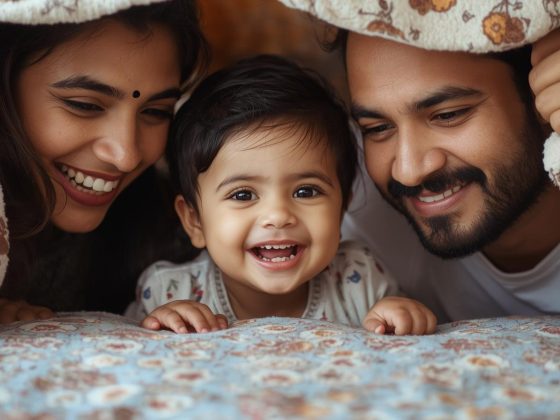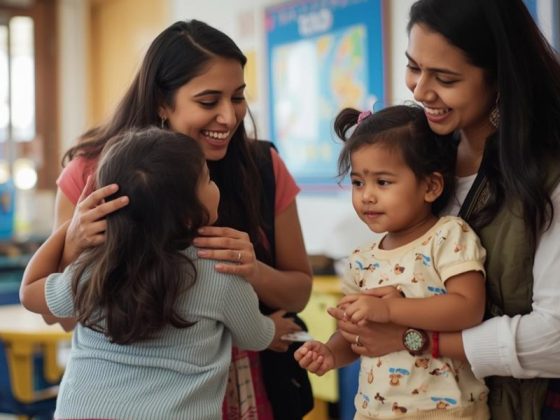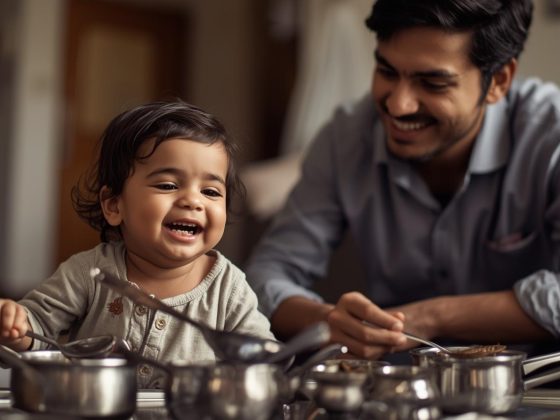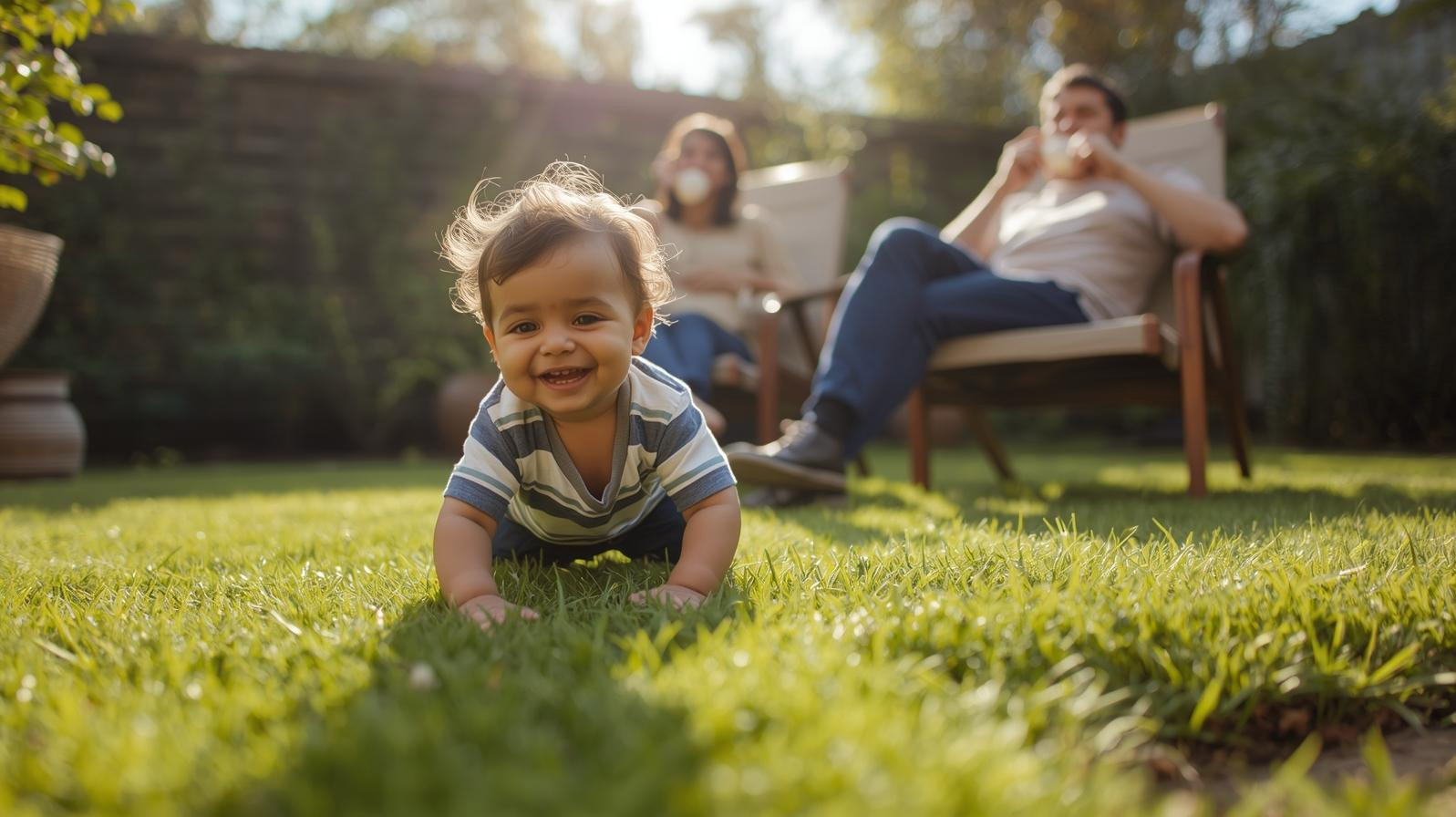
Between one and two years, your child craves independence, a vital part of developing self-confidence. Encouraging self-help skills like feeding, dressing, or cleaning up builds responsibility and pride. In Montessori-inspired homes, parents act as gentle guides, allowing children to learn through doing, even if it means a little mess. This independence doesn’t just build practical skills, it fosters emotional strength and resilience.
‘Help me do it myself’- The Heart of Montessori learning
One of the most powerful lessons your toddler can learn isn’t ABCs or numbers, it’s independence. Between the ages of 1 and 2, children begin to express a natural desire to do things on their own. Whether it’s trying to eat with a spoon or putting on shoes, these moments are the foundation of confidence and self-reliance.
At Ryan International Pre-Montessori schools, we embrace this spirit of independence through the Montessori philosophy of “Help me do it myself.” We believe every small act of autonomy strengthens a child’s mind, body and character preparing them for a lifetime of capable learning.
Why early independence matters
Independence is not just about doing things alone, it’s about developing self-confidence, patience and problem-solving skills. When toddlers practice simple tasks, they build:
● Motor coordination, through physical effort.
● Emotional resilience, by learning from mistakes.
● Decision-making, through choice and responsibility.
● Self-confidence, from successfully completing small tasks.
These qualities go beyond early learning; they create a strong sense of self that supports academic and emotional growth throughout school years.

Simple Self-help skills for toddlers.
Here are a few easy, age-appropriate tasks your toddler can begin to do with gentle encouragement:
Feeding themselves
Encourage your child to hold their spoon, drink from a cup, and wipe spills. It may be messy at first, but this process builds fine-motor coordination and independence.
Choosing clothes
Offer two simple options (“blue shirt or yellow shirt?”). This gives toddlers a sense of control and decision-making power.
Tidying up
After playtime, invite your child to return toys to a basket or shelf. It teaches responsibility and respect for their environment, a key Montessori principle.
Handwashing routine
Set up a small stool and low soap dispenser so your child can wash hands before meals. This promotes hygiene and routine awareness.
Outdoor independence
Allow your toddler to water plants or carry a small basket during grocery trips, simple ways to feel “big” and capable.
Dressing
Allow your toddler to attempt to dress themselves, even if they need help. Provide clothing with simple closures, such as Velcro or large buttons.

These tasks may seem small, but to a toddler, they are big steps toward independence.

How to encourage independence without pressure
It’s important to remember that independence grows through support, not stress. Children need freedom to try and reassurance that mistakes are okay.
At home, you can foster independence by:
– Allowing time: Let your child complete tasks at their own pace, even if it takes longer.
– Creating accessible spaces: Keep items like toys, clothes, and snacks within reach.
– Praising effort, not outcome: “You tried so hard to pour your water” is more powerful than “Good job”
– Avoiding perfection: Messes and spills are signs of learning in progress.
At Ryan Pre-Montessori, teachers follow this same approach guiding toddlers gently, observing their needs, and stepping in only when necessary. The goal is not just skill mastery but building self-belief.
How Ryan International Pre-Montessori encourages Independence
Our classrooms are designed for freedom within structure. Low shelves, self-accessible materials, and child-sized furniture empower toddlers to choose, explore, and complete tasks independently.
Educators at Ryan Pre-Montessori act as facilitators, not directors. We observe, guide, and celebrate each child’s effort. Whether it’s serving their snack, cleaning up after play, or participating in group activities, children learn that they are capable contributors to their environment. This approach transforms everyday routines into powerful lessons in confidence and care.
Parent tips:
● Start small: Begin with one or two self-help skills a week.
● Model behavior: Show how you do a task, then let your child imitate.
● Use positive language: Encourage with ‘Try again’ instead of ‘No, that’s wrong’.
● Celebrate effort: Applaud the process, not just the results.